2025: My Reading List
January 19, 2026.

It's been a couple of years since I shared my book recommendations, last having done it in 2022. So I wanted to try again for 2025 as, more than anything else, this process gives me a chance to look back and think about what I've enjoyed, found interesting, or otherwise sticks out in my memory.
Some statistics from this year:
Total books read 127 ↓ Down 20 from 2024
Audio books % 58.3% ↓ Down 11% from 2024
Total pages >42,800 ↓ Down 23% from 2024
Non-fiction % 56% ↑ Up 17.3% from 2024
This data is non-exhaustive and usually underestimates the total books by 20-30%. This is due to the way I collect it (downloading Amazon, Apple Books, Kindle, Bookshop.org and Audible purchases) missing some sources of books (e.g. gifts, books bought directly in local bookshops).
Highlights
Every year I highlight five books which caught my attention because they were interesting, thought-provoking, or I particularly enjoyed. These aren't necessarily the best books I've read, however.
Giovanni's Room by James Baldwin
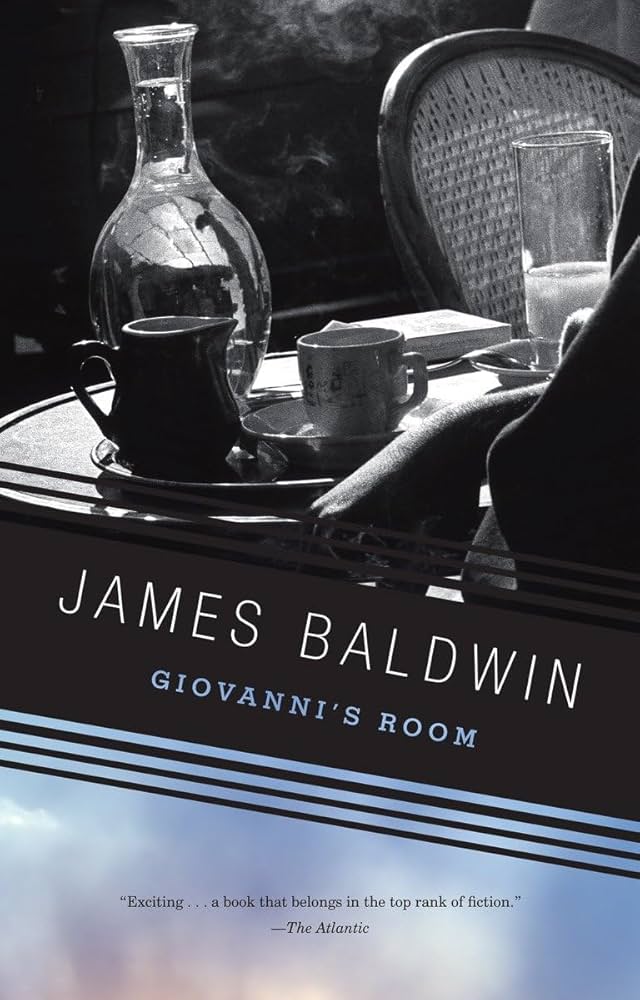
2025 was a year of re-reading books. I first read Giovanni’s Room when I was nineteen and it absolutely blew me away. It had exactly the same impact this year. One of the most extraordinary, beautiful books I’ve ever read. Baldwin’s voice is so unique, it jumps out as you read—precise, restrained, and emotionally exacting in a way that feels almost confrontational.
What struck me most on this reread was how unsentimental the novel is, despite its intensity. Baldwin never softens the consequences of desire, fear, or self-deception. The book feels timeless not because its themes are abstract, but because they are painfully specific: shame, denial, longing, and the quiet violence of choosing safety over honesty. Reading it again with more years behind me, the tragedy felt sharper, less romantic, and more human.
House of Lillies: The Dynasty that Made Medieval France by Justine Firnhaber-Baker
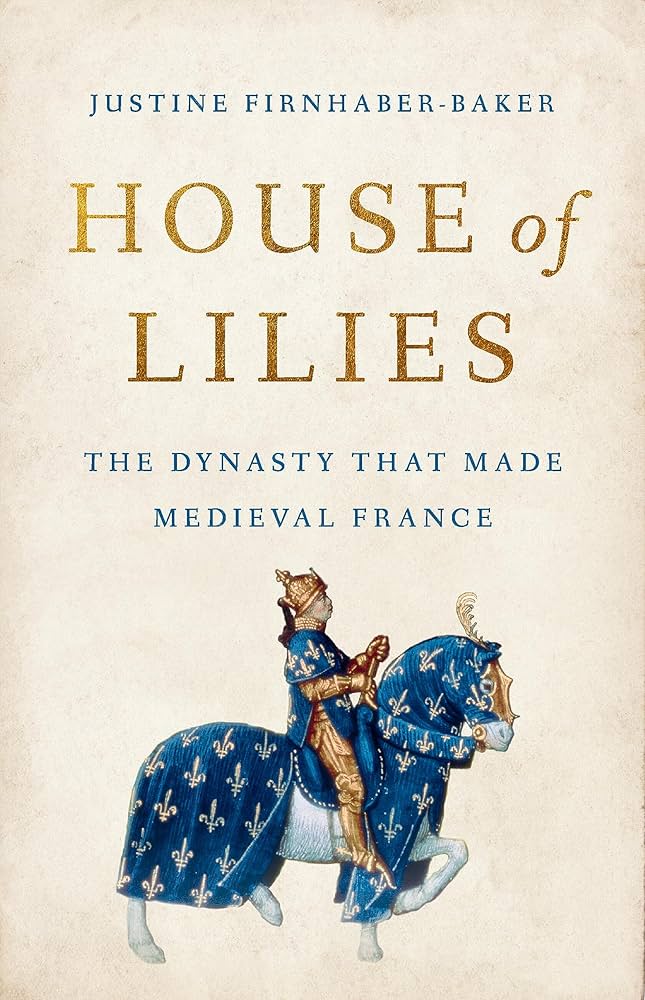
I was very pleasantly surprised by this book. Medieval history can easily become a dense tangle of names, titles, and places, with relationships and events that resist being shaped into a coherent narrative. Firnhaber-Baker handles this with real skill, imposing clarity without oversimplification and turning what could have been a dry dynastic account into something genuinely engaging. One of the great strengths of the book is how confidently it guides the reader through complexity, never losing momentum or a sense of direction.
What makes House of Lilies especially effective is its emphasis on change rather than inevitability. The Capetian story is presented not as a slow, predetermined rise, but as a sequence of decisions, accidents, and fragile successes that could easily have gone another way. That approach gives the history an energy that is often missing from works on the period. I found it consistently absorbing, to the point that I tore through it in a couple of sittings.
The Stopping Places: A Journey Through Gypsy Britain by Damian Le Bas
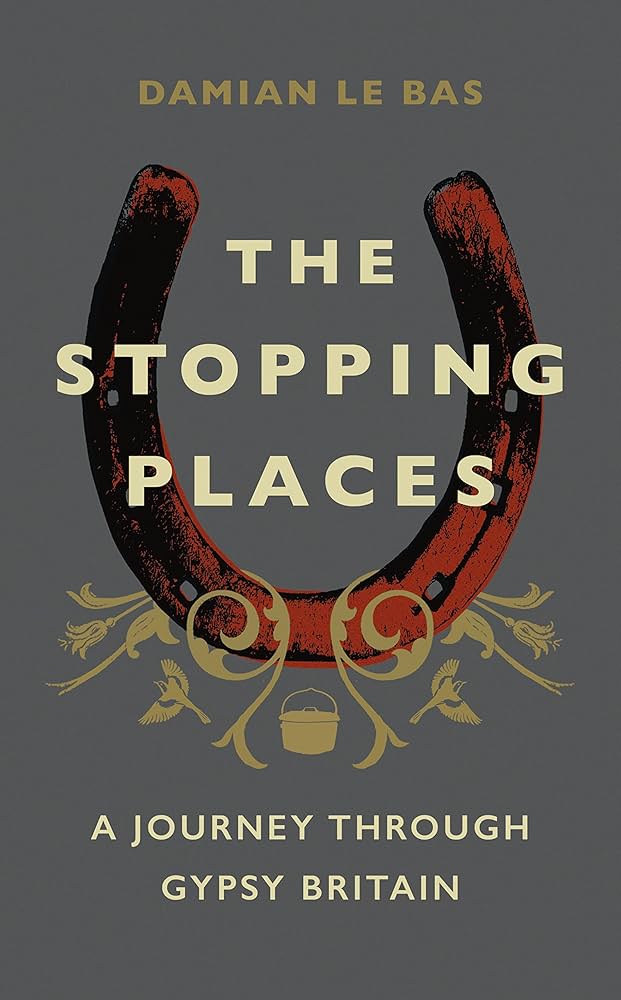
A wonderful book. It revealed a side of Britain I had never really seen, and offered a beguiling insight into a community and way of life I knew far too little about. Le Bas writes from within the world he describes, but with an openness that comes from this own complex relationship with it. The result is a perspective that feels both intimate and expansive, grounded in lived experience yet attentive to the broader landscape of gypsy Britain.
What stayed with me most is the quality of the writing. The Stopping Places is lyrical and beautiful without drifting into nostalgia or sentimentality. The journeys traced across the country feel deeply layered, carrying personal history, cultural inheritance, and quiet loss alongside moments of resilience and joy. It’s a book that slows you down, asks you to look more carefully at familiar places, and leaves you with a deeper sense of what has been erased, overlooked, or deliberately ignored.
Theft by Abdulrazak Gurnah
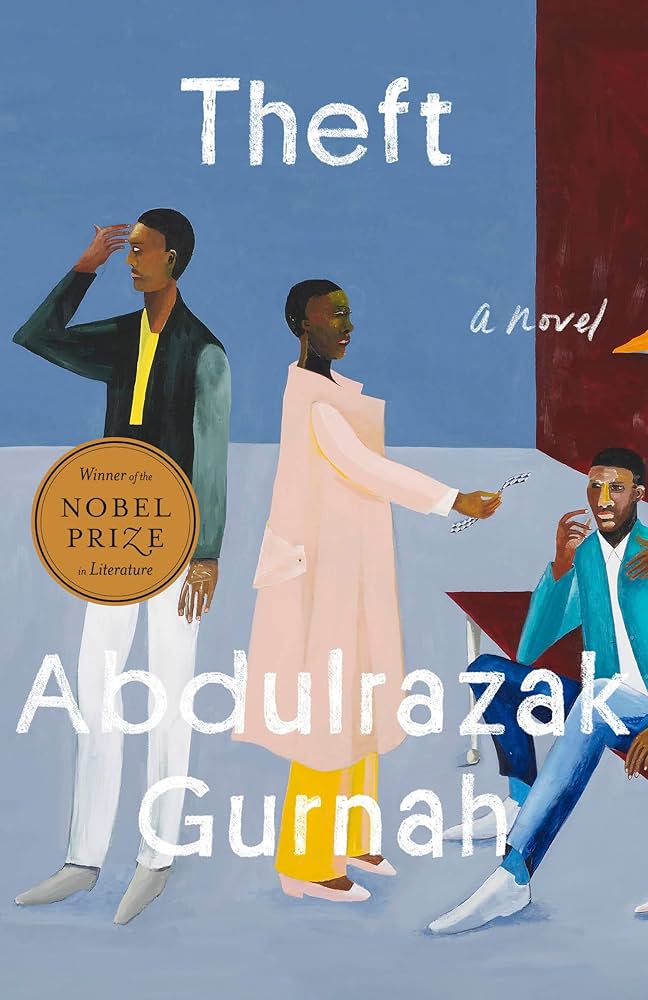
A masterful coming-of-age story, set against the backdrop of post-colonial Africa. It's one of the best new novels I’ve read in years. Gurnah’s voice and style are extraordinary: measured, attentive, and deeply humane. He writes with a restraint that allows the emotional weight of the story to accumulate naturally.
What makes Theft so compelling is the way personal development and historical context are held in balance. The novel is acutely aware of power, dependency, and displacement, but it never turns these into abstractions. Instead, they are lived through relationships, small moral compromises, and moments of longing or misunderstanding.
Absolute Batman by Scott Snyder and Nick Dragotta
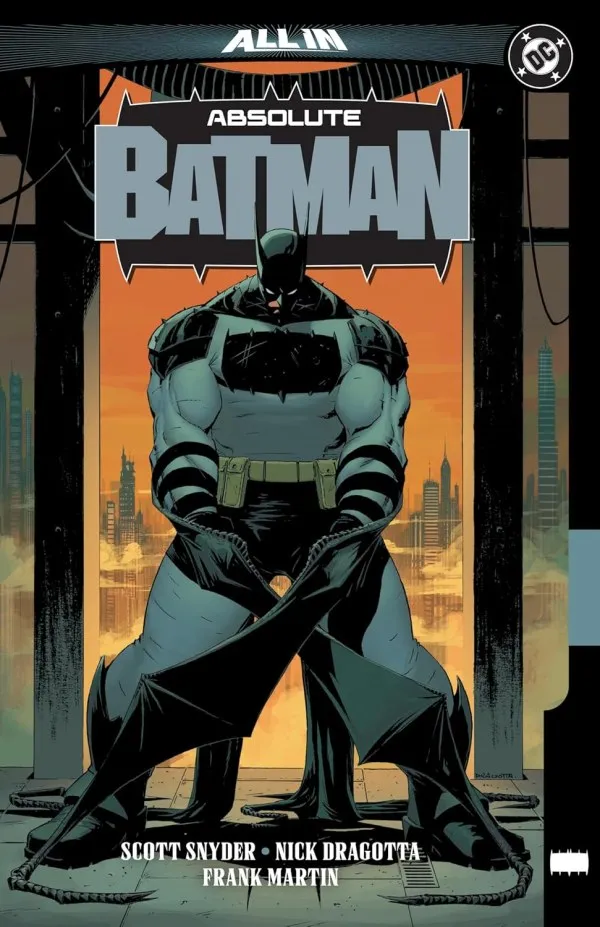
I read a lot of comic books, and I’d heard a great deal about this series when it launched. I’d drifted away from new Batman titles in recent years, largely because they had begun to feel repetitive, familiar beats with diminishing returns. When I finally picked up Absolute Batman, I was surprised by how much I enjoyed it.
What makes the series stand out is how deliberately it interrogates Batman’s core tropes and then inverts them. These aren’t cosmetic changes; they reshape relationships, motivations, and the moral balance of the world the character inhabits. The result is a version of Batman that feels genuinely fresh without losing what makes the character compelling in the first place.
Related posts
- 2022: My Reading List
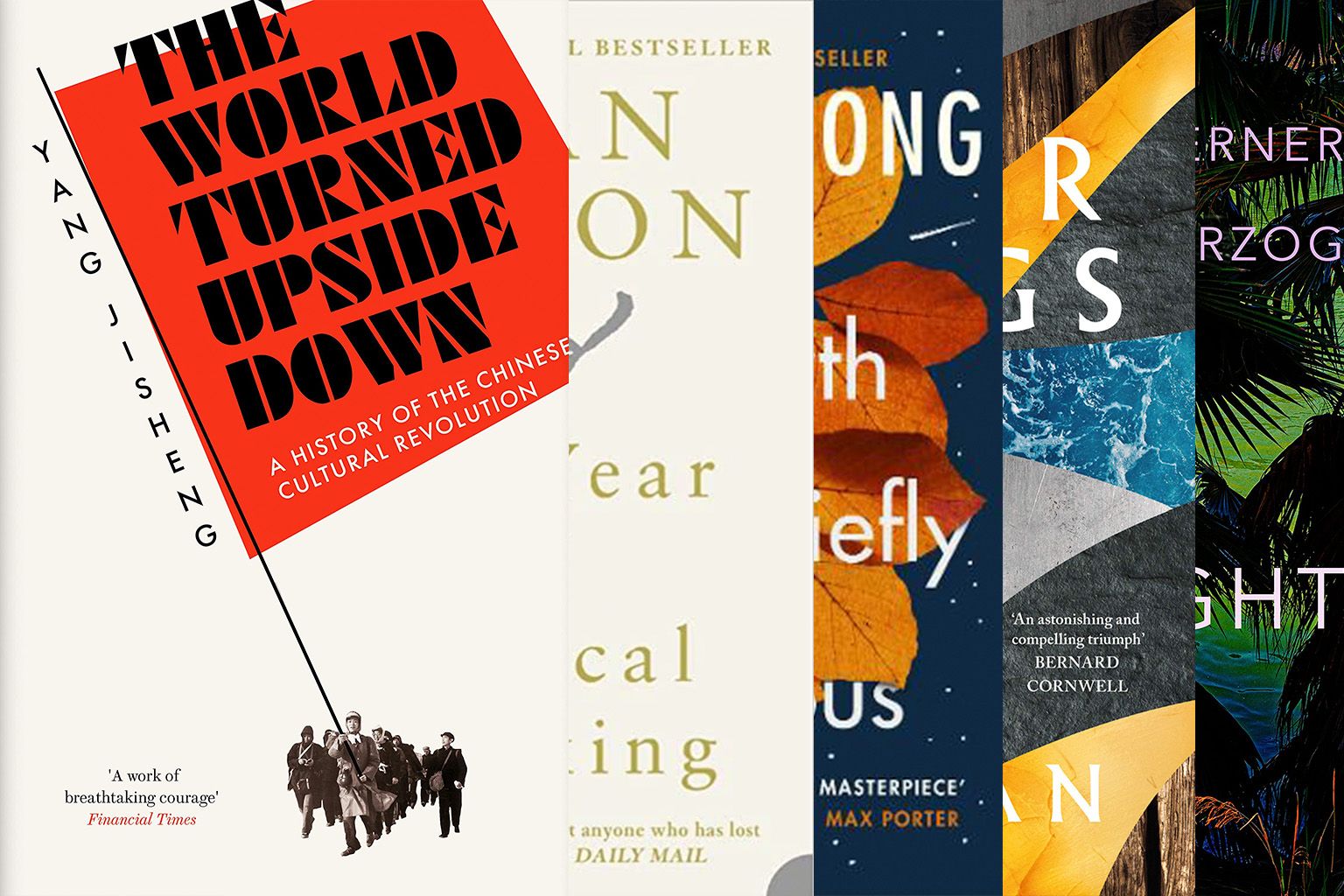
I read 177 books in 2022 and for the sixth year I share the full-list and some of my highlights
Published on December 21, 2022 in Reading
- 2021: My Reading List
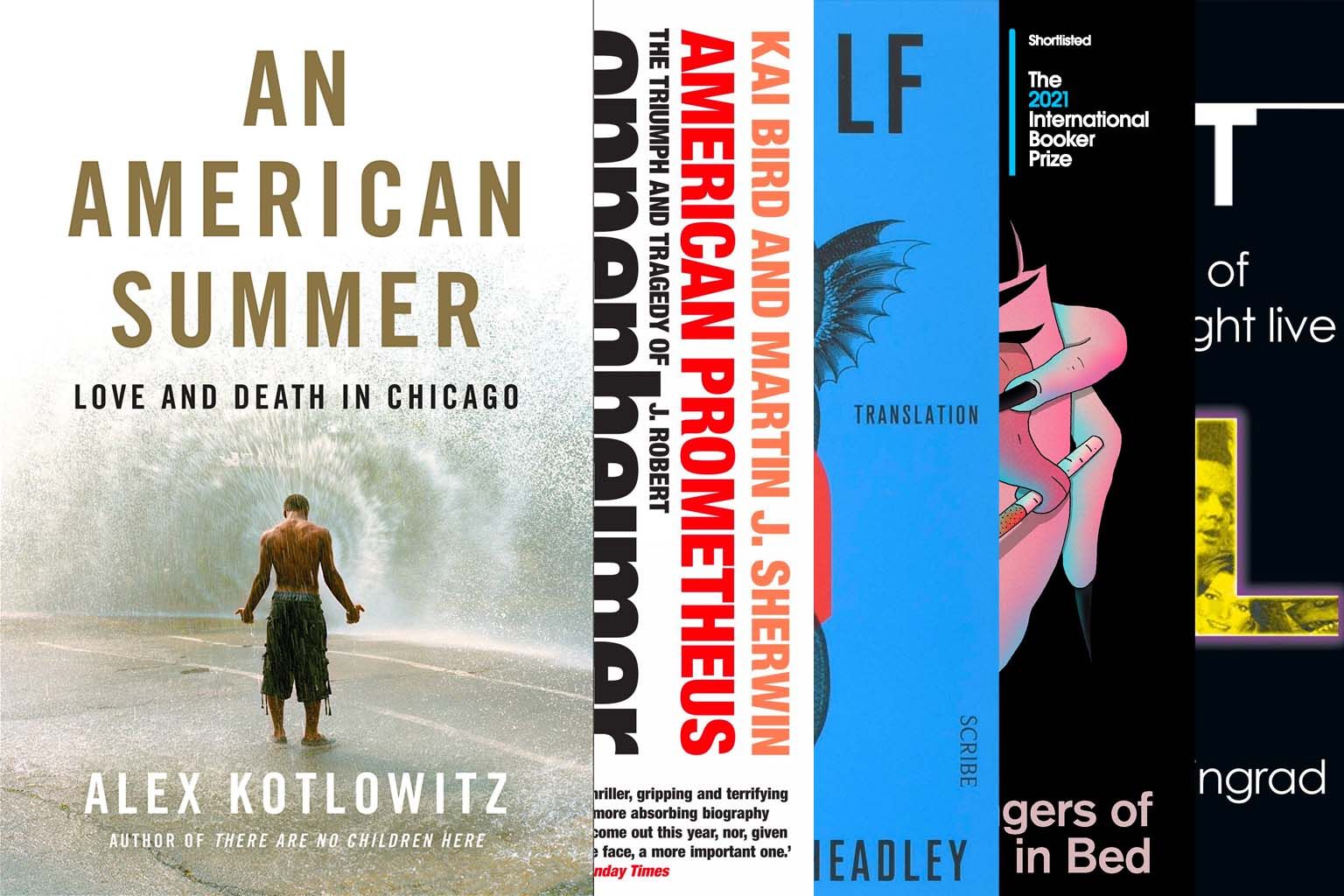
I read more than 200 books in 2021 and for the fifth year I share the full-list and some of my highlights
Published on December 31, 2021 in Reading

